-

Yesterday, I wrote that the Japanese try to live economically and are not very interested in earning money. It is assumed to work hard and not to talk about money very much.
Some people say it is because we are not educated about money at school.
Japanese also have a very unique idea of a job. I think this is also related to education.
Today, I want to talk about the life-time employment.
Japanese don’t change a job or company often. This work style is called ‘lifetime employment’ and still highly respected.
These days, only 5% of people change a job on average, which may be much lower than that of the rest of the world.
This idea, though, is changing gradually.
I changed my job several times.
I started my career at Canon. There were two people I worked with. One guy was one year older than I, and the other was one year younger than I in accounting. I recently found that both of them became the executives of Canon.
I feel happy for them. And I feel happy for me, too.
I sometimes wonder what would happen if I stayed with Canon.Well, it means
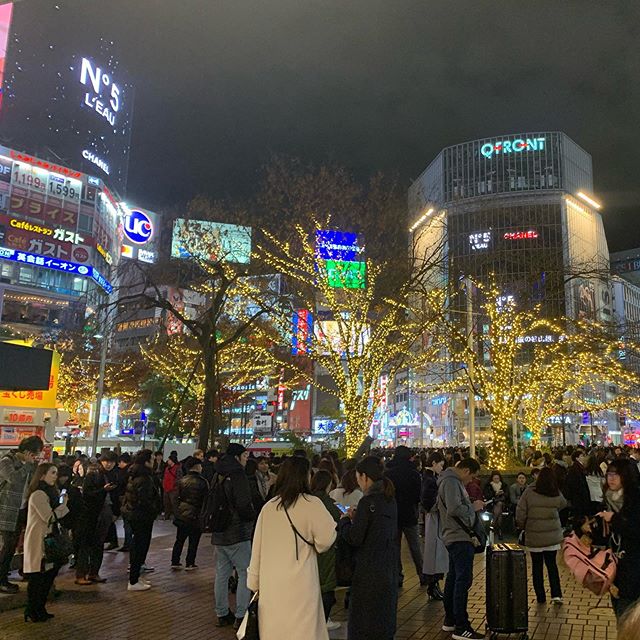
Working in Shinjuku HeadQuarters for long (this is Shinjuku now)
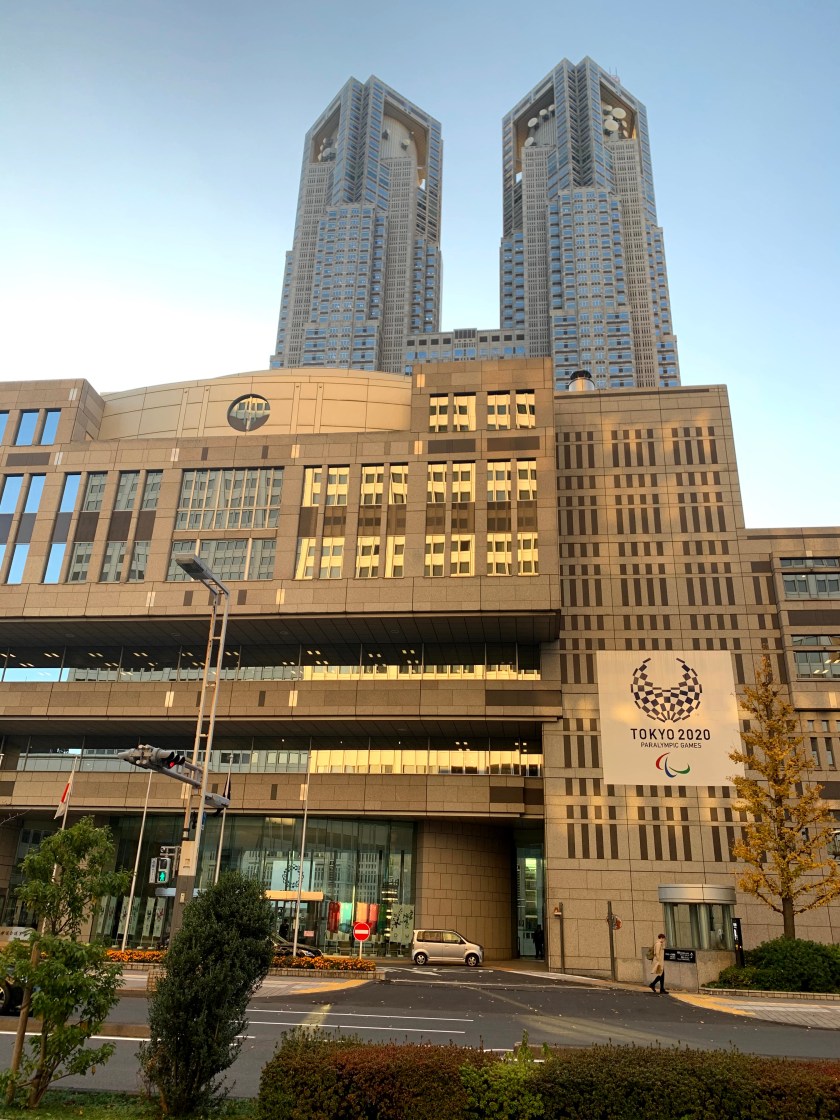
Taking crowded trains every day…
And being probably relocated to oversea branches for five years the same as other accounting people are.
And I chose a different career. No right or wrong.
It was just my personal preference to change a job when I like. I liked working for Canon.
But, having the different value, I can also say that I may not enjoy meeting and talking with those from Canon.After I left Canon, I worked for foreign companies and learned a lot from them. This is a summary of my career if you are interested.
I like those experiences very much)https://www.linkedin.com/in/toshiyafukuma
People have a perfect job in mind, but often it ends up in a so-so job. Any job has good and bad aspects. Any workplace has people easy to talk to and difficult to talk to.
But, how do you know it is good or bad if you know only one job?
I lived in the USA and stayed in Finland for several months.
With those experiences, I was able to develop my opinion on what is good about Japan and what is not. If I only lived in Japan, I would not get it.
The same applies to the job market. You can see many aspects of different jobs or companies when you change a job.
That is what I loved.
I will talk about Fude Japan job in my next blog.
Thank you for reading!
Toshiya
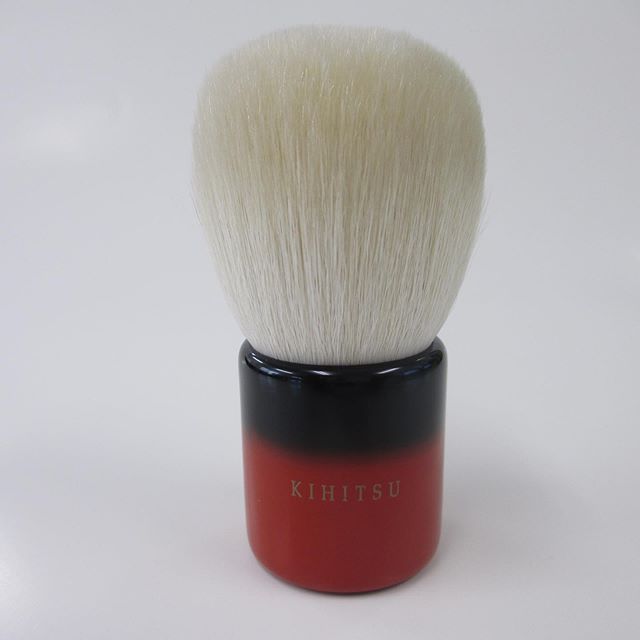
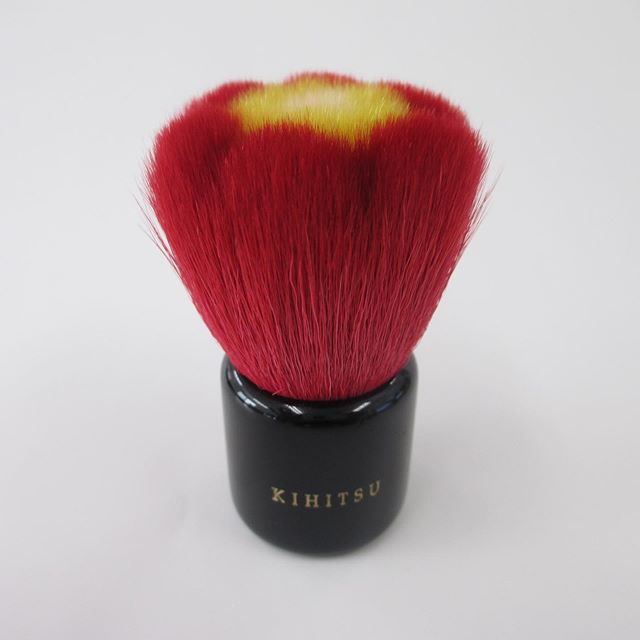
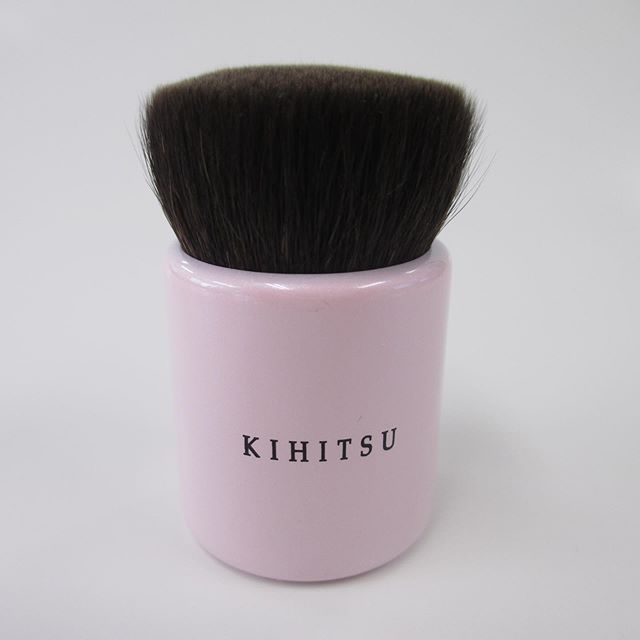
Here are some limited products.
https://fudejapan.wordpress.com/product-category/limited-brushes/
My previous newsletters :
https://atomic-temporary-81665234.wpcomstaging.com -

Hi Everyone,
I read an interesting article about why the Japanese don’t talk about money in public.
Japanese don’t tend to talk about money. That is true.
Money is not a subject that good people want to talk about. It is ethically believed.
In Japan, the school doesn’t teach kids what money is.
It is a beauty that people work hard even though they don’t get rich.
You may know ‘Oshin.’ It is a TV program of NHK that a poor girl works so hard, lives her life vigorously and gets over all kinds of difficulties.
That has been a good role model in Japan.
This mentality dates back to 400 years ago, according to one source.
It was the Warrior era where many samurai’s fought to govern Japan.
All kinds of people could be a ruler. Toyotomi, the winner, was a farmer before being a disciple of Nobunaga Oda.
In 1584, Nobunaga, a revolution fighter, was killed in Kyoto by his disciple, called Akechi.
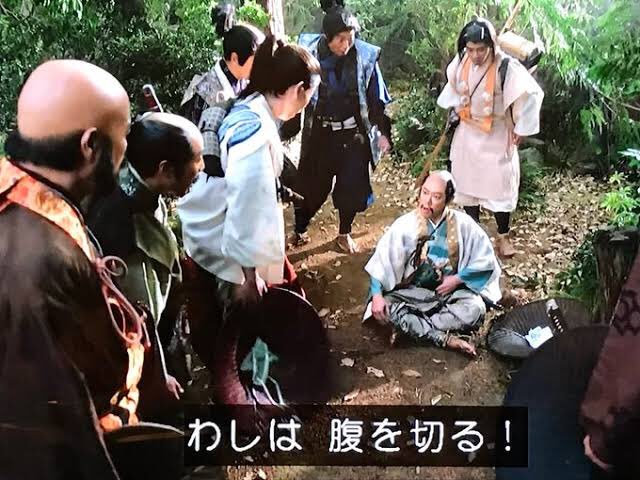
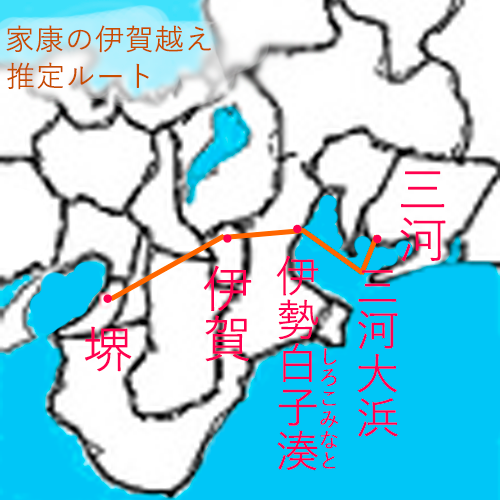
Ieyasu Tokugawa, a Nobunaga’s alliance, was staying in Osaka with only a few people so he needed to run from the Akechi army. He gave up on surviving once. This picture is from a TV drama where Tokugawa decided to die.
but, he miraculously managed to go back from Osaka to his town near Nagoya, going through mountains.
On his way back, Tokugawa was attempted to kill by not only his enemy but farmers who wanted money.
This experience became the basis of how he governed Japan.
He wanted Japanese people to have little money and live poorly ( or frugally )!
He closed the country to the world for 300 years.
He divided the society into 4 classes (samurai, farmer, artisan, and merchant ) and prohibited them from moving.
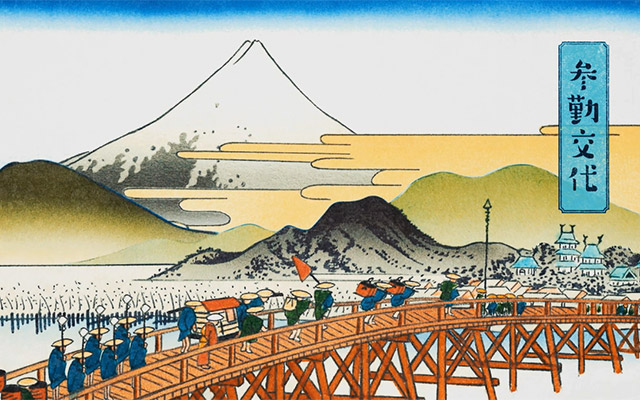
He made other lords live poorly to establish a system called Sankin Kotai. Sankin Kotai (参勤交代) makes lords come and see Shogun in Edo(Tokyo) every other year.
Those lords got poor by spending a big money on bringing many people to Tokyo. This spending was a strategy to get rid of money from lords who might decide to fight against Tokugawa.
So,
This is the basis for the mentality to work and live poorly.
It still works under the contemporary Japan.
This theory makes sense to me.
Thank you for reading!
Toshiya


![#tomford lip spark #repost @isetan_beauty・・・本日発売!<トム フォード ビューティー>「リップ スパーク」のご紹介at ISETAN Shinjuku Main-Building1F Cosmetic Floor<トム フォード ビューティー>より、きらめきが街にあふれるホリディシーズンにぴったりのリップスティックが発売に。スペシャル感のあるシルバーのパッケージで特別な気分を盛り上げます!リップ スパーク 税込6,600円 重ねづけおすすめのスタイルをご紹介【Dramatic】洗練された女性にふさわしい大胆な深いレッドのバーガンディ。リップスパークの輝くブルーをプラスすることでダークチェリーのモダンな仕上がりへ。.HOW TO CREATE SPARKLE LIP:リップラインをとり、「リップラッカー 80 インパッションド 」をつけます。その上に「リップスパーク 11 」を唇の中央だけに置き、外側へじんわりとのばします。.【Feminine】ブランド定番のモーヴレッドに、アクセントとしてリップスパークを重ねれば周りと差がつくフェミニンで華やかな仕上がりのラズベリーピンクに。異なる質感をさりげなくレイヤーするだけでエレガントさがプラスされます。.[HOW TO CREATE SPARKLE LIP]:「リップカラー 69 ナイトモーヴ」をたっぷりと乗せ、その上に「リップスパーク 01 」を軽やかにさっとひと塗り。上下の唇を合わせて色をなじませます。ぜひお試しください@isetan_beauty#isetan_beauty#isetanshinjuku#beauty#cosmetics#tomfordbeauty#lip#lipstick#new#イセタンビューティ#伊勢丹新宿#伊勢丹#化粧品#コスメ#トムフォードビューティ#リップ#リップスティック#リップスパーク#新発売](https://fudejapan.com/wp-content/uploads/2024/09/4e71a-77106977_1620947534714311_5718815307057420741_n.jpg)



 Fude Japan (Makeup brushes from Japan)