-
Hi Everyone,
I recognize that some of you have been to Japan.
Some are repeaters, and you know Japanese food very well.
I am often surprised that you know places I have never been to)
Living in Tokyo, Japan, I can tell you that the restaurant prices are in general not too expensive. Most of lunch is provided at less than 1000 yen, and dinner is not as expensive as you imagine.
And they have good service.
Actually, the restaurant business is very competitive, and employees work hard, but not get paid well. Yet, most employees provide good service, which I am proud of as a Japanese.
Most competitive may be the ramen business.
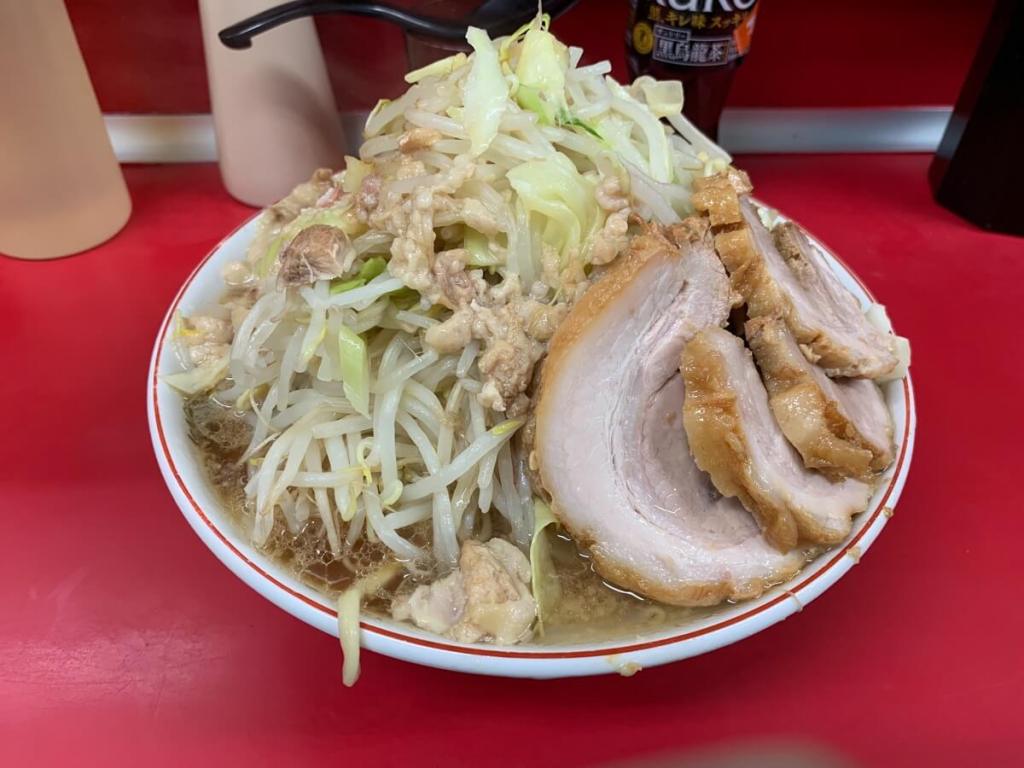
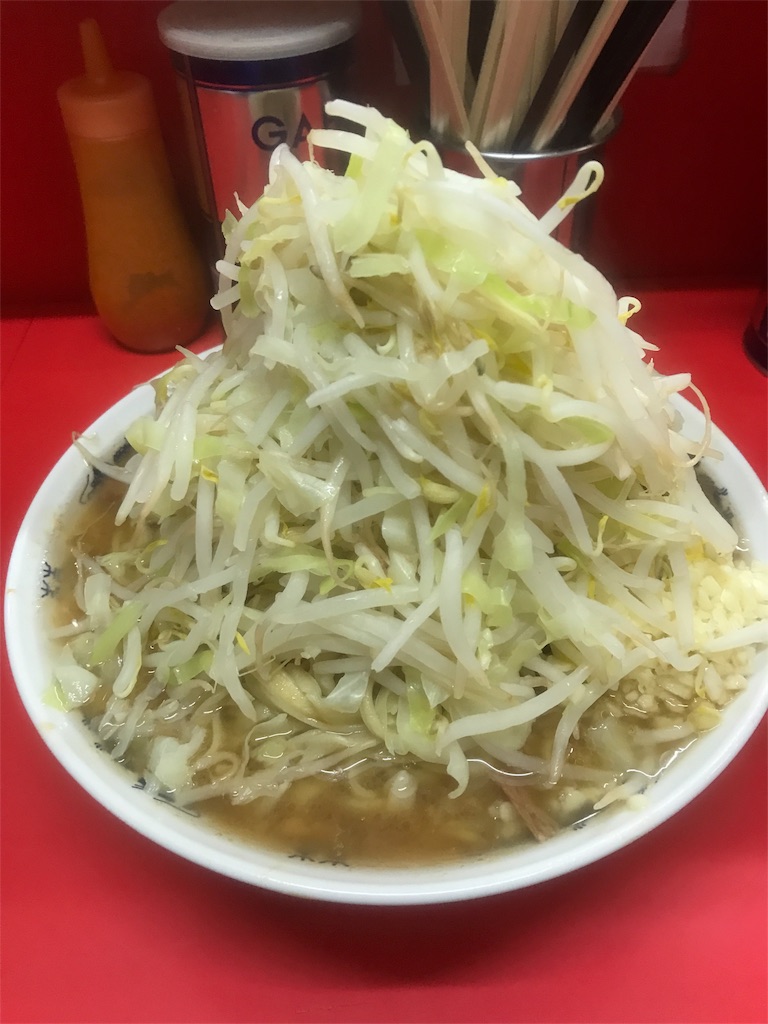
I want to introduce ‘Ramen Jiro’ in this blog.
It is located next to Keio University, which I graduated from, so I was walking to school while looking at a long line every day.
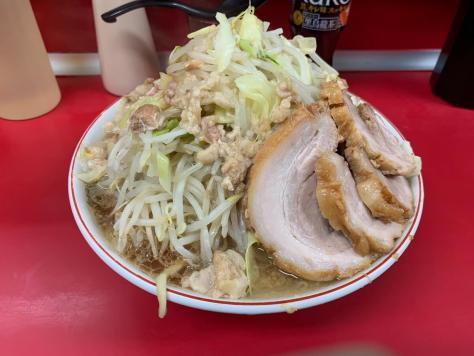
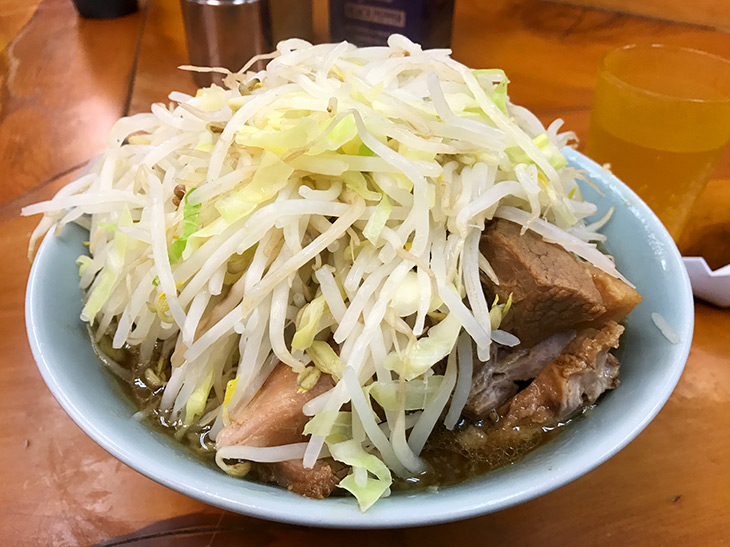
The portion size is large with bean sprouts/cabbage and pork. It is what students love. Shoyu, soy sauce, is special.
Menu is simple with only two kinds -しょう(Shou) and だい(Dai). Shou is small and Dai is big, lol. Simple is good)
There is a story that one American student, who came from Stanford and studied at Keio. He wasn’t able to read Kanji but was able to speak Japanese.
He came to Ramen Jiro every day to see the owner.
He came back to USA, and often comes back to Japan for travel.
He eats ramen everywhere in Japan, but he says Ramen Jiro is best.
If you worked for Ramen Jiro for three to four years, you can open your ramen Jiro shop on your own.
Actually, there is one in Boston,
I would not highly recommend this place LOL, as you need to wait in a long line, but if you are fond of ramen, and want to find a different ramen shop.
This may be it.
Thank you for reading,
Toshiya
-
Hi Everyone,
I read an interesting blog by a foreigner living in Japan.
‘Entrepreneurs in Japan complain it is difficult to find a girlfriend. One reason is parents want their daughters to marry a man who works for a big respected Japanese company. If a boyfriend works for a small unknown startup, parental approval is usually denied.’
Interesting, right?
Personally, it not safe anymore to work for a big company. Yet, this is still a mentality of parents, and maybe daughters as well.
Another foreigner disagreed:
‘This is hardly representative of all Japan. Actually Japan is a much more fragmented country than one would initially assume. Besides, let us not forget this is a country of small companies and artisans, and historically a country of entrepreneurs. Hard work in small companies is highly regarded.’
This is also true. How about Kumano brush companies? Most of them are still operated by family members. (An artisan working for Koyomo)
Hiroshima’s most international company is Mazda, but I cannot name another big one easily. A local city is full of small companies, artisans, startups.
Both represent Japan well.
Knowing this fact, parents still want a daughter to marry a man working for a big company.
Working for a big company means ‘stability’ and small companies means ‘risk’ in Japan.
Maybe true now but I wonder how long this idea will last.
Also, I wrote about Konkatsu ( activity to seek for a marriage partner) before and received interesting feedback!
I will write more about it in coming newsletters)
Thank you for reading,
Toshiya
-
Hi Everyone,
As you might know, Tokyo will have the Olympic in 2020. The last Tokyo Olympic was held in 1964, and maybe, for me, it will be the first time to watch it in my life.
I might be lucky to watch some of them, but I expect that people from overseas watch more and enjoy the rest of Japan.
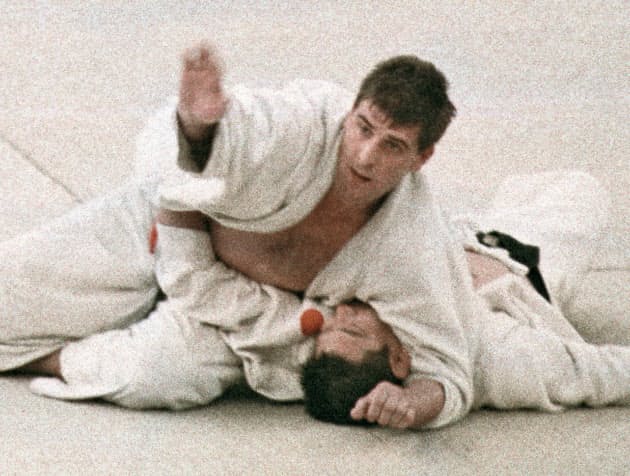
I want to talk about one story. It is about Judo competition in 1964. It was the first time Judo was competed in Olympics, and Japan, as the Judo country at that time, was supposed to win all the 4 classes.
I mean Judo was not so international as now, especially now European countries are so good. Japan won three gold medals in a row, and the last day was the heaviest, where the match would decide the strongest Judo player in the world.
The opponent was a Dutch Judo player, called Geesink. He was good and he had been improving himself by staying in Japan many times before the Olympic to practice with Japanese.
Moreover, his personality and discipline were highly spoken of among Japanese players.
And he beat the Japanese finalist.
The auditorium became quiet, and the Japanese finalist seemed to be crying.
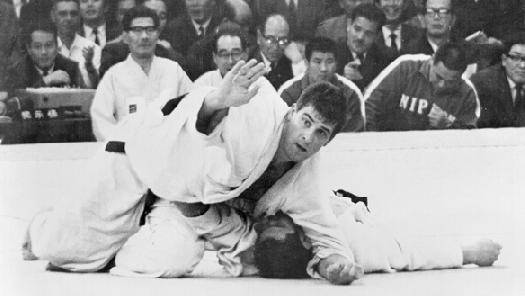
It was the next moment : when the Dutch coach tried to hug Geesink on the tatami, Geesink stopped him from coming.(the picture below) And he came back to the original position to bow to his opponent.
Judo as a Budo, which begins with Rei and ends with Rei, where everything begins and ends with a bow. A bow represents ‘courtesy’ or ‘respect’ to others.
He shocked many Japanese by his victory, but impressed Japanese more with his courtesy. His behavior is still highly spoken as a Judo sprit.
Maybe this was the moment, when Judo began to be international from a local sport.
Thank you for reading again!
Toshiya
-
-
Hi Everyone,
I woke up early today at 5 am. This time, I did not go back to sleep, LOL. Instead, I went to a gym, where many people were doing excercies before work. I was surprised!Anyway, it is not what I want to talk about.
When I came back, I saw many high school students walking to school.
In Japan, most schools have uniforms, As a matter of fact, uniforms are important to students, and some students consider how attractive uniforms are when they select a school to go to.
Personally, I was not interested in school uniform, and I wore a typical black uniform with a stand-up collar for six years. Actually, the high school I went to did not have any school uniform. However, It was a boys’ school, and they did not care much and most of students wore black ones.
Years later, I read an essay Haruki Murakami, a novelist, wrote. I don’t remember it exactly but it was like this :
‘My (Murakami’s) high school had a vote whether students should wear a uniform or can wear anything we like. The result was that we should wear a uniform. I was disappointed at the result as we did not choose ‘freedom.’ We did throw away the right of having freedom.’
I am not sure if this is an issue of ‘freedom’ but rather Japanese don’t want to stand out from colleagues. Maybe most people feel comfortable when they belong to a community where they feel ‘same.’
At the same time, freedom is not something that is given free, history proves.
Well, when I see students wearing school uniforms, I recall that essay that Murakami wrote, and I think of ‘freedom’ or ‘culture.’
Thank you for reading again,
Toshiya -
Hi Everyone,
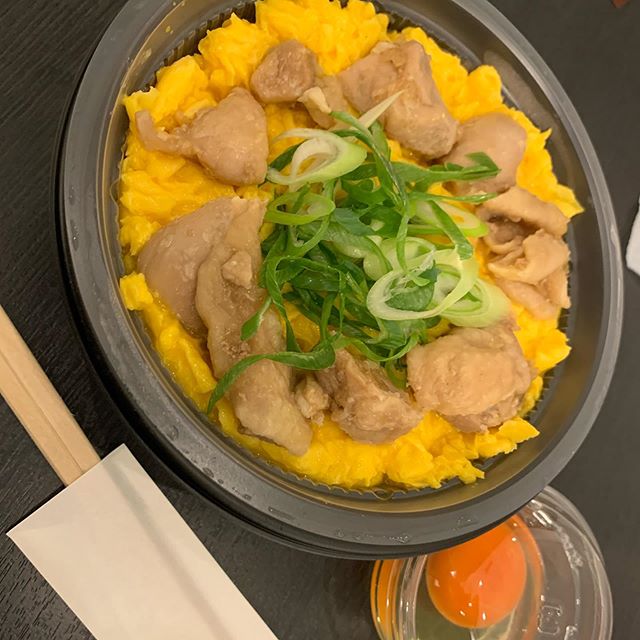
It is still raining and cold outside so today I bought a bento box for lunch.
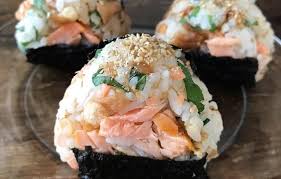
It is the food section of the new building ‘Scramble Square’ I went to. Here are some pictures.
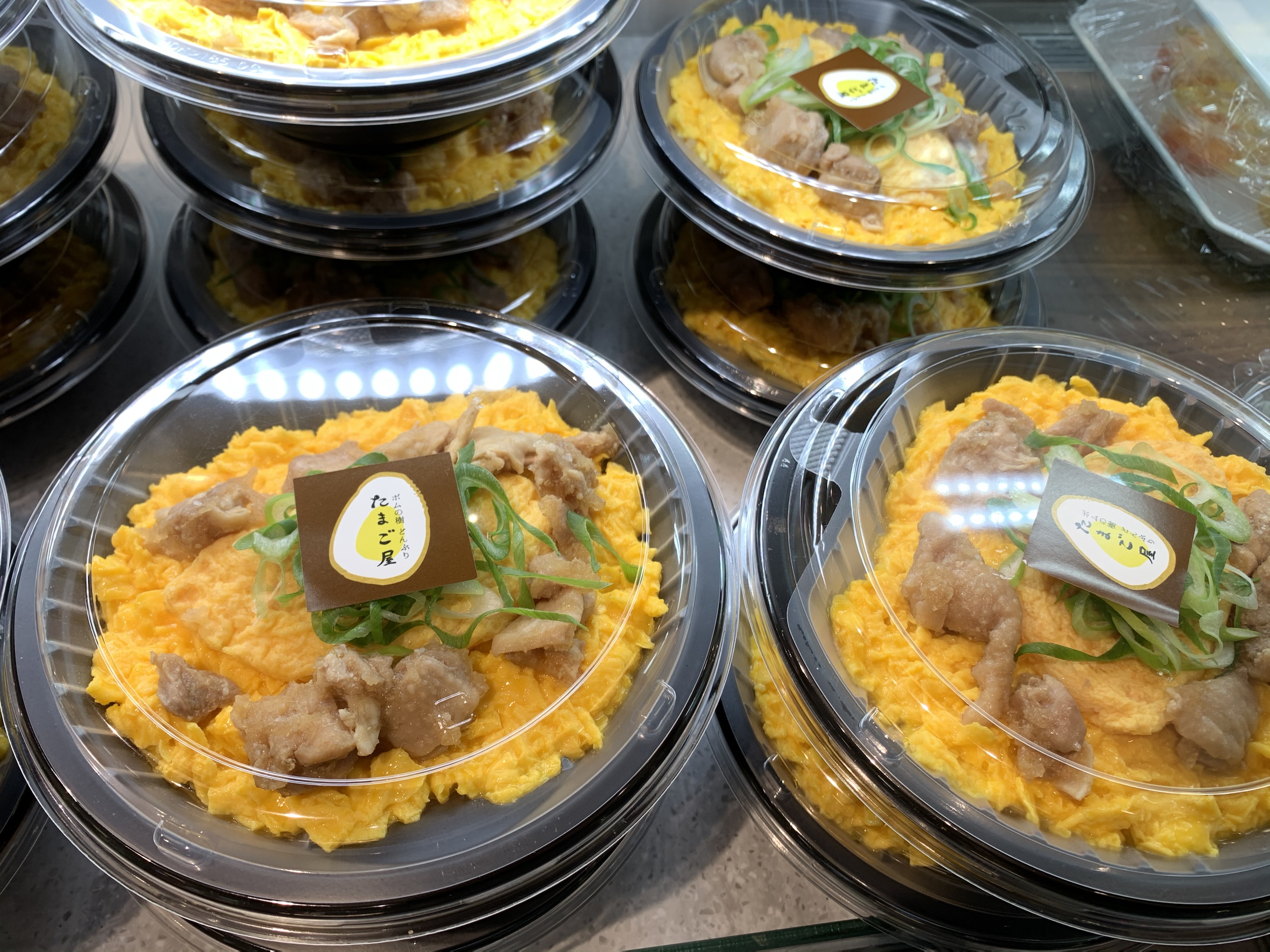
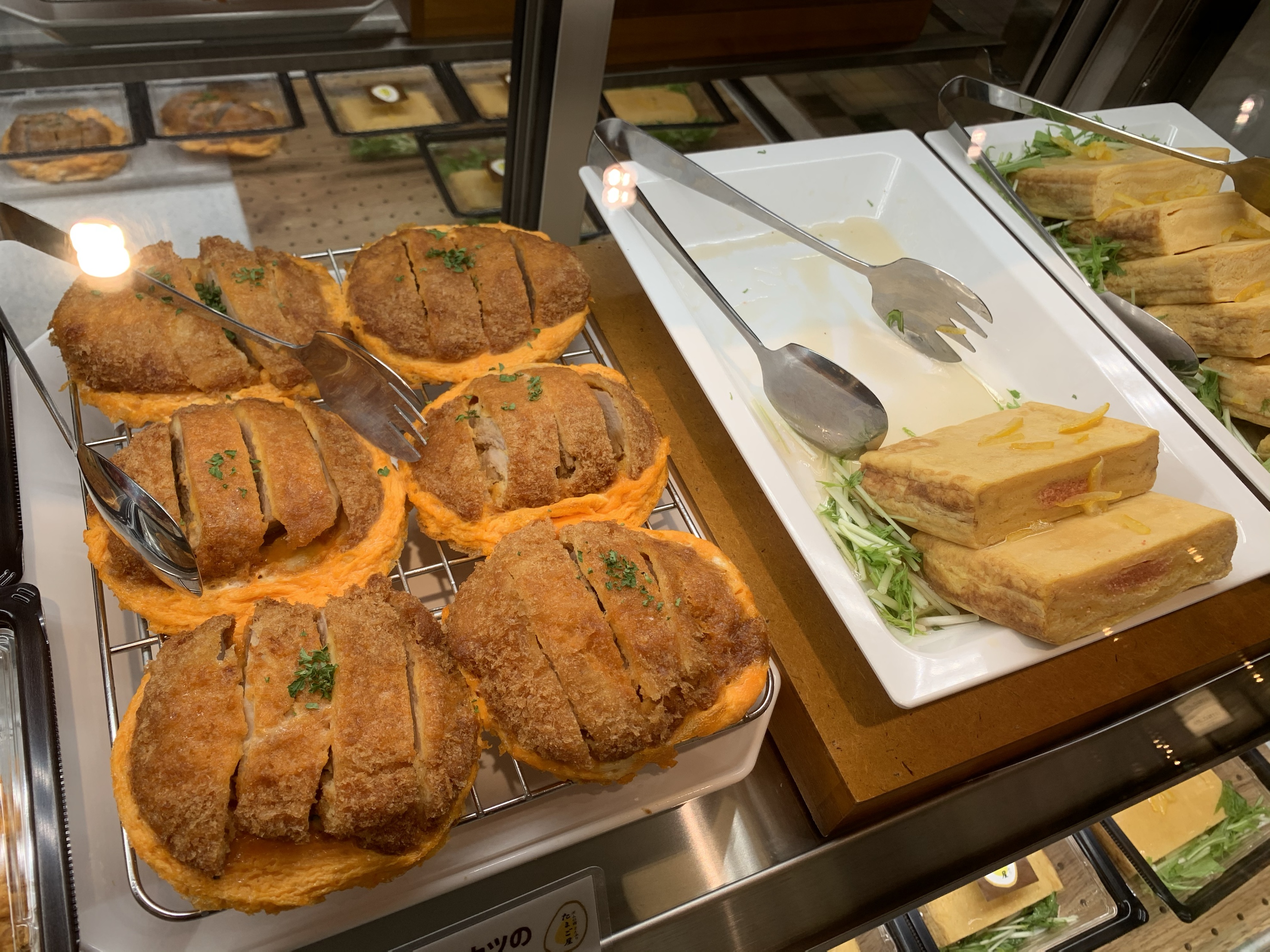
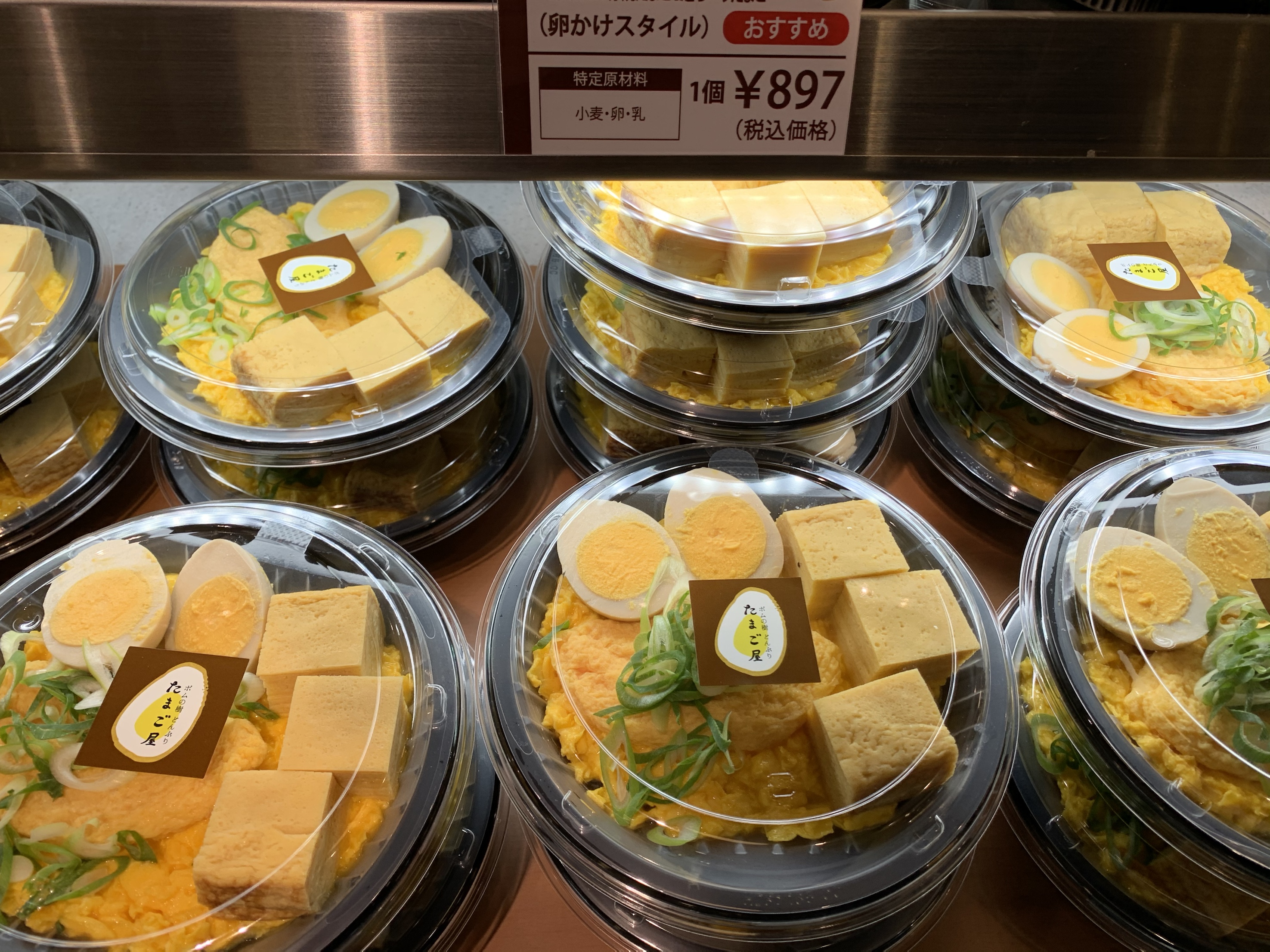
Have you ever head of bento box ?
It is a lunch box, and in Japan, it is common to have okazu and rice in a bento box.
Okazu is a side dish, with rice.
Side dishes could be chicken, beef, pork…
Rice is often provided in the form of ‘Onigiri’ with seaweed like these:
I had my bento made by my mother during Junior High and High schools. It was so much fun to open a bento, I remember. Maybe a students’ favorite time)
My mother ran a stationery store, so sometimes she was so busy that my grandmother made it.
Grandmother tried her best but how it looked was a bit old-fashion at the time, and I remember I was embarrassed when I opened it in front of my classmates.
And I did not thank her when I came home. Or I might have even told her not to make bento for me because I was not able to open it at classroom.
Now, when I am relaxed while taking a long bath, this bitter memory comes back to me.
If she was still alive and made me a bento, I would give her plenty of gratitude. And I should have proudly opened her bento box in front of classmates. I just did not have such courage.
In Japan, we say
孝行のしたいときには親はなし
it means
‘By the time you wish to be a good child, your parents are long gone.’
In this case, it is my grandmother. I have many things to say to her.
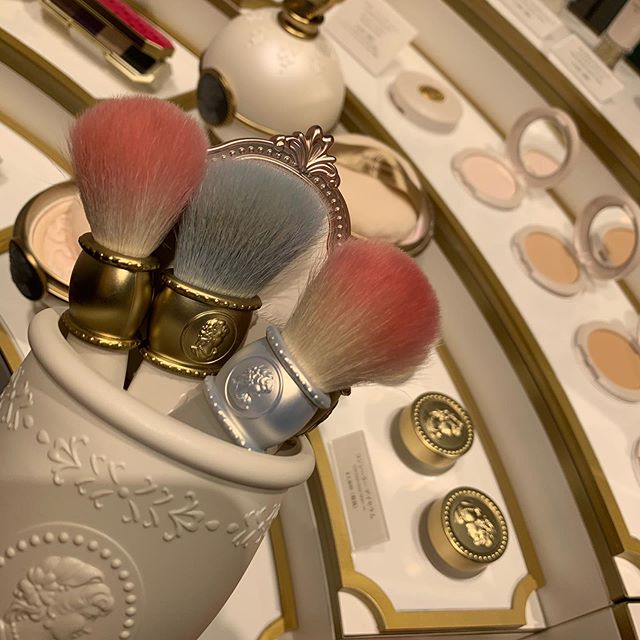
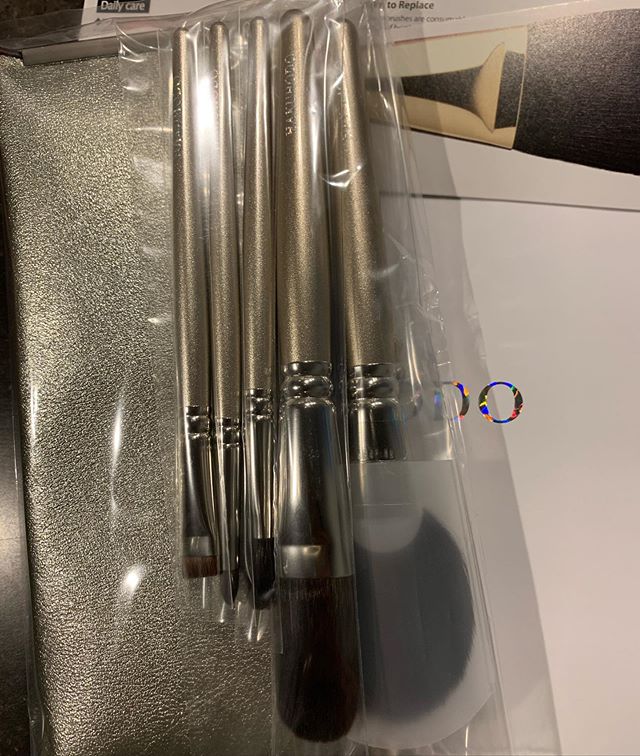
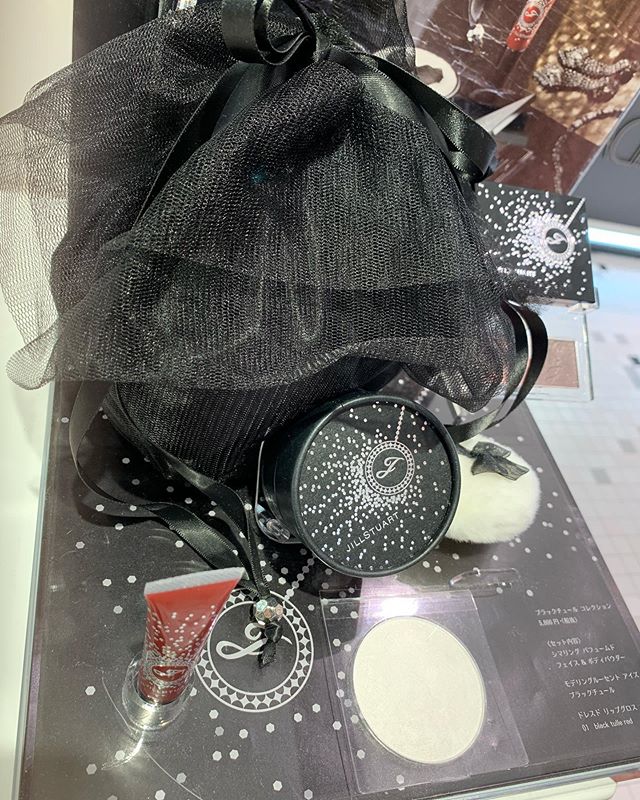
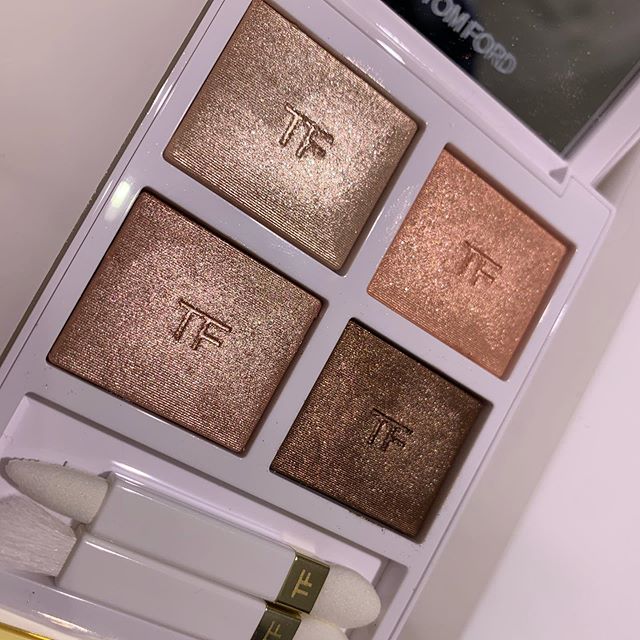
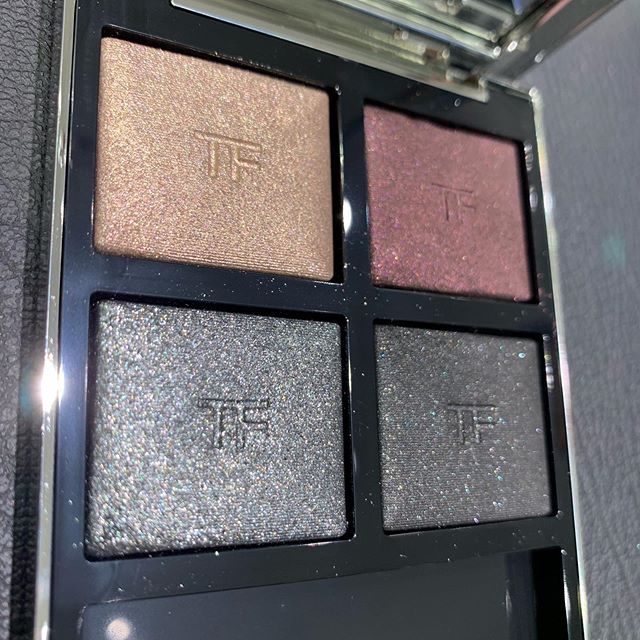
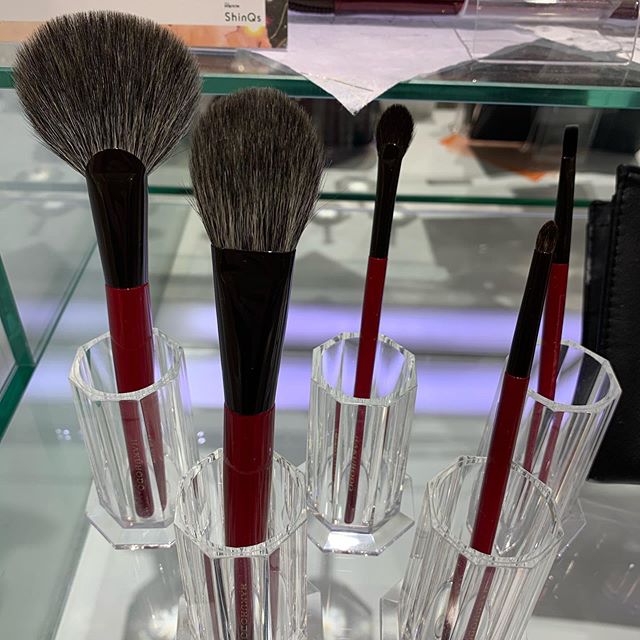
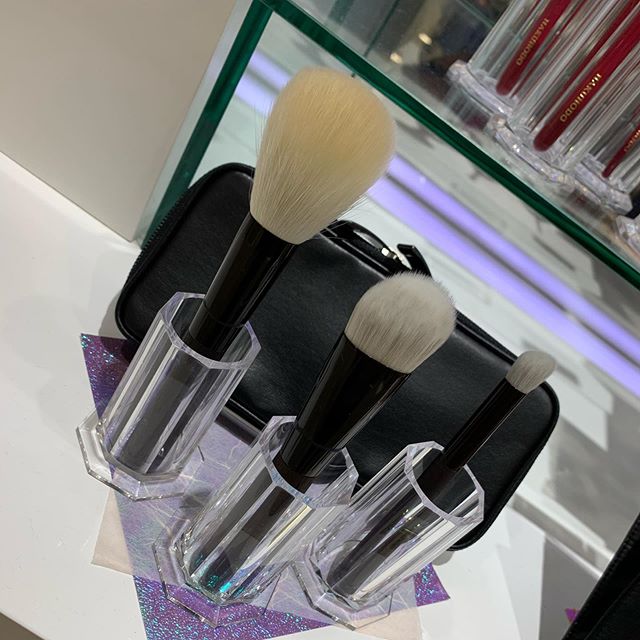
For brushes, here are some sets for Christmas – Hakuhodo and Chikuhodo.
Please let me know if you are interested)
Thank you for reading,
Toshiya







 Fude Japan (Makeup brushes from Japan)