-

Hi Everyone,
I follow several youtube where I can learn good things about life.
One of them is made by DaiGo, who talks about research findings done by universities all over the world.
It is only in Japanese, so I am not intending to introduce this youtube here, but I want to introduce an interesting concept of ‘Giver’ he talked about the other day.
It is a book called ‘Give and Take’ written by Adam Grant, a professor at Wharton Business School.
Giver, in the context of Give and Take, gives people more than she or he receives. So Giver loses most. That is true.
But who gets most?
That is also Giver. It is called ‘Top Giver.’
Top Giver also gives more but makes the size of a transaction bigger by involving more people and gets more and gives more. So it is a win/win. People like Givers so they gather around Givers. This also works in the long run.
I was thinking about this when I went shopping the other day.
Yes, people are nice when I buy. That makes sense.
But there are also a few people who welcome me even if I say I only want to ask a question and don’t buy.
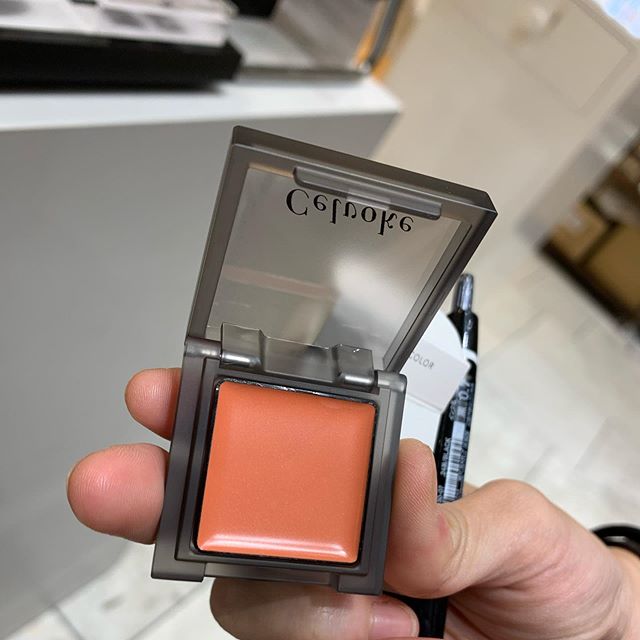
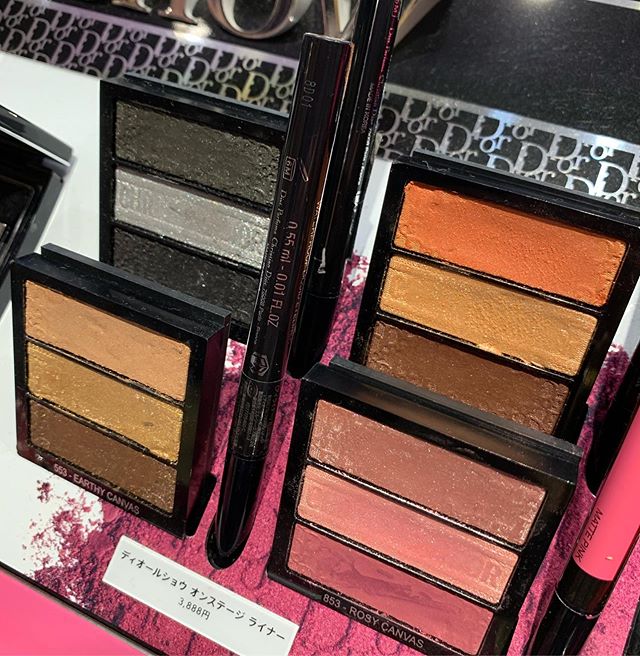
This person in Dior Shibuya is a good example. He smiles at me when he sees me from a distance, and expresses joy when I visit. He says, ‘ you don’t have to buy. I just want to talk’
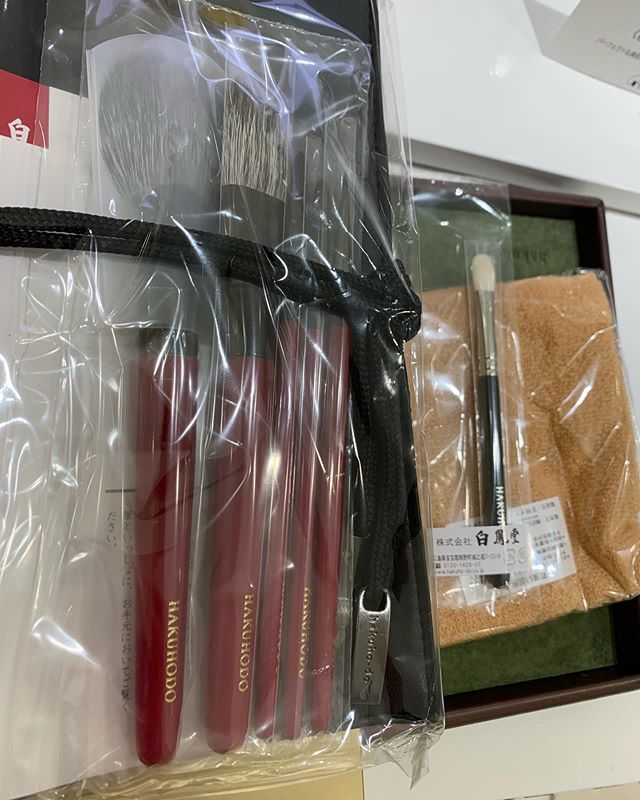
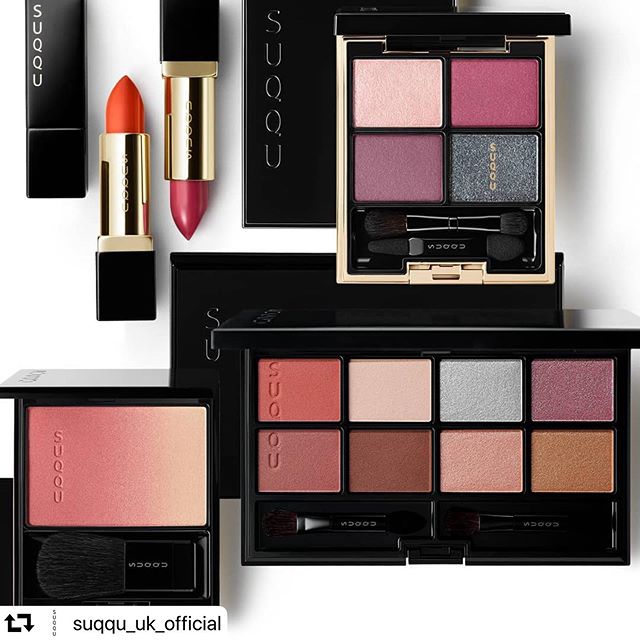
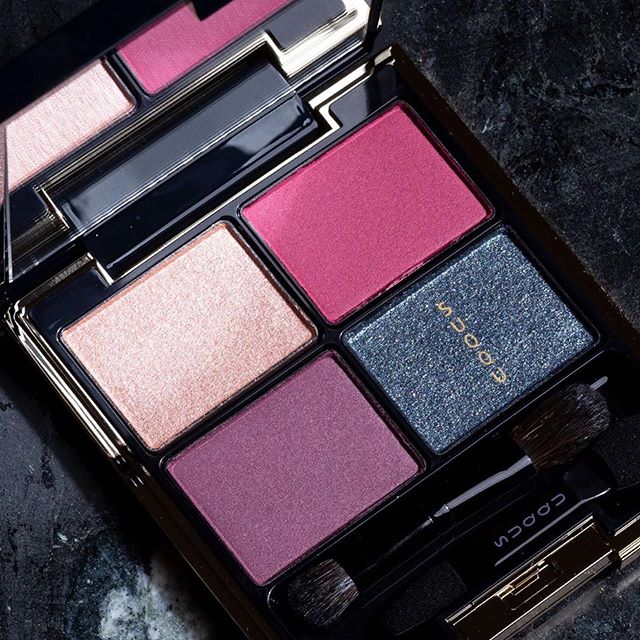
I don’t buy Dior as much as Hakuhodo or SUQQU or others.
So I feel sorry for him but it doesn’t seem to bother him that I don’t buy.
He knows products, and even if he doesn’t, he calls me later after he checks and informs me of what it is.
When I talked to him the other day, two lady visitors came to him for help even though there were other employees available. I can tell that he is popular there)
Not sure if he is a top Giver, but definitely, it works with me for a long term. When I have an order for Dior, he is the first person I call and ask.
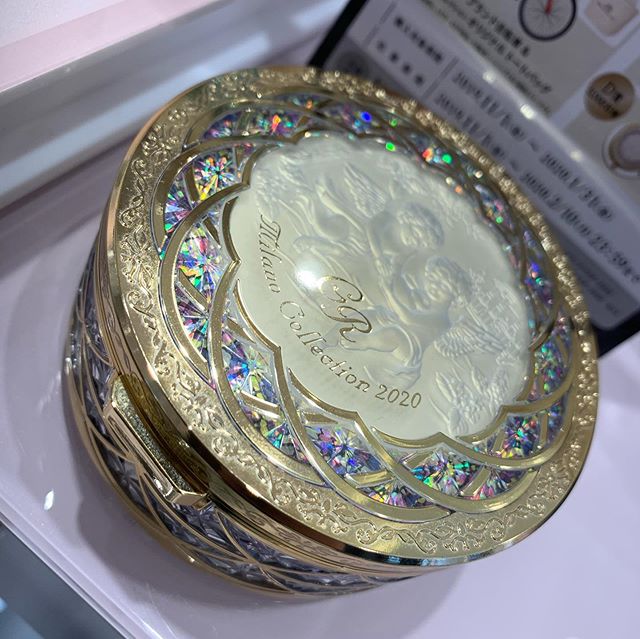
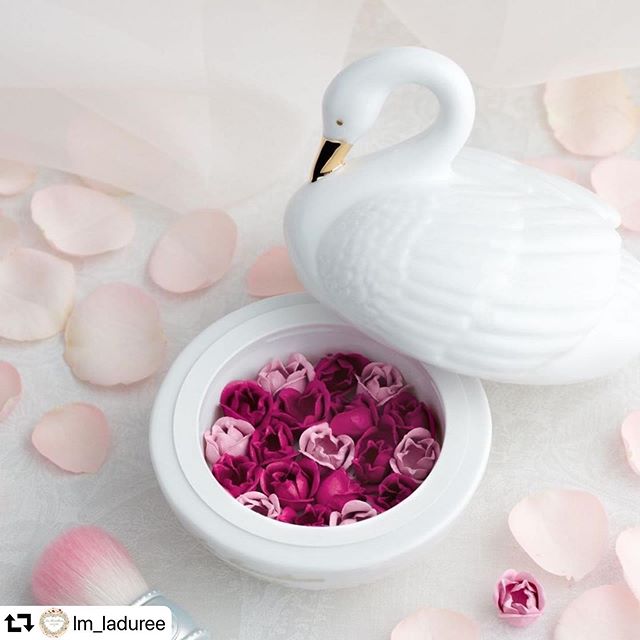
I can think of those Givers at SUQQU, Laduree and Jill Stuart. Those people make me a fan of the brands, and they are the people I call. And it benefits them in a long run.
Small examples but the Giver theory works at least here.
Thank you for reading!
Toshiya
-
Hi Everyone,
Now it is raining and gets really cold this week, though it was warm yesterday, and some tourists wore half-sleeved in Tokyo!
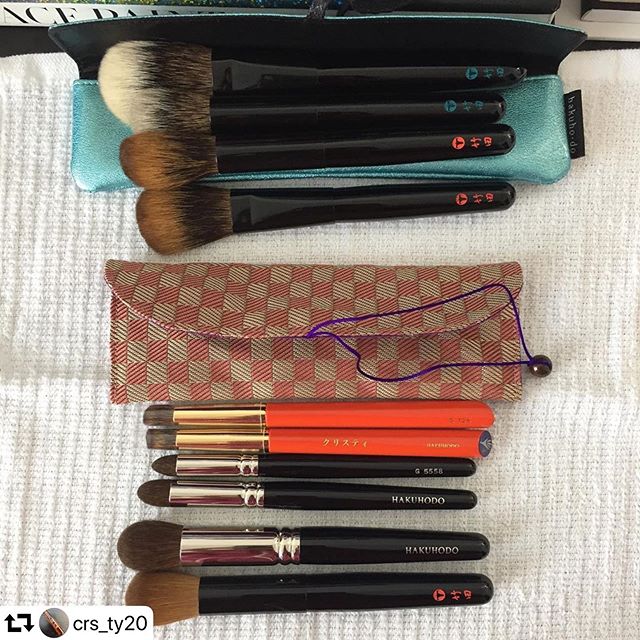
I receive good questions about brushes almost every day and it is interesting for me to investigate the brush world. It is always a learning experience.
Today, I was asked if the brushes of Rae Morris, an Australian makeup artist, are made in Japan. Brushes with magnetic.
My source told me it is made-in-Japan, but he did not reveal which company. Maybe some of you have an idea.
——-
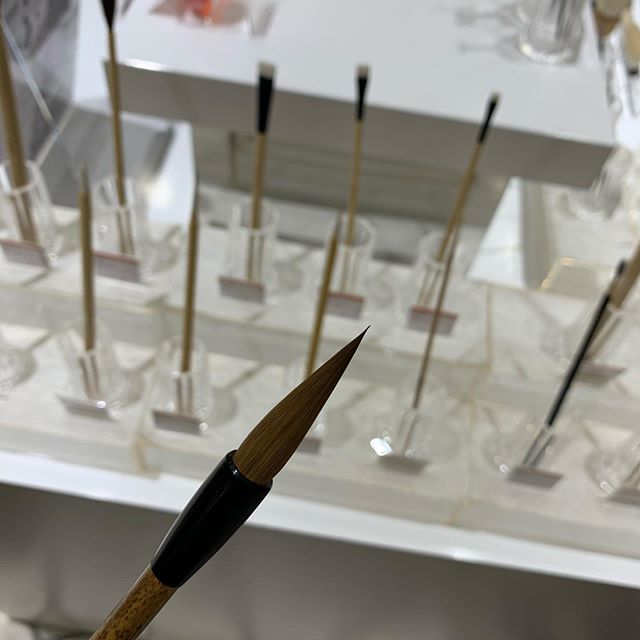
Have you noticed that Kumano brushes are applied by the Kumano sticker?
Some brushes are copied and produced so this sticker proves that a brush is produced by a Kumano brush company. More exactly said is that it proves to be produced by a member of the Kumano brush union.
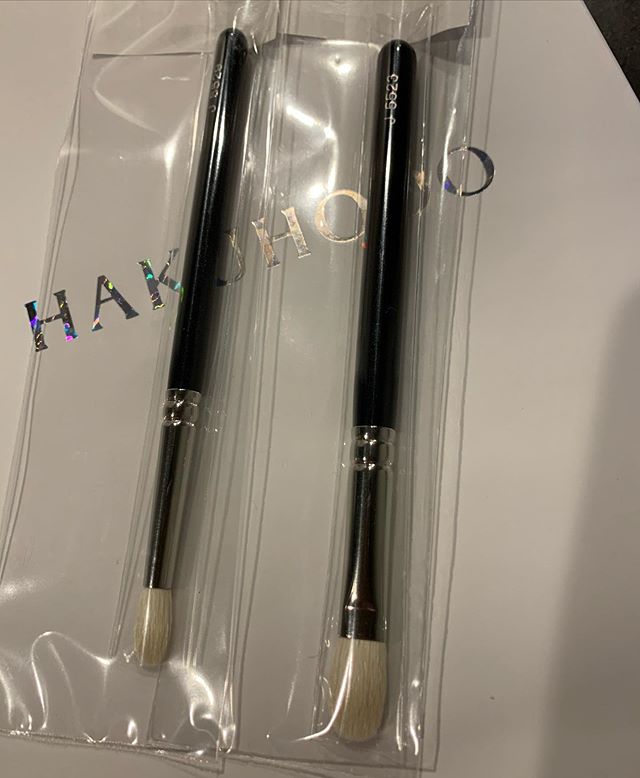
Union members can claim that they are Kumano brushes (Kumano fude). Interestingly, Hakuhodo is not a member of the union so it is not called ‘Kumao brush’ or Hakuhodo cannot claim to be ‘Kumano brush.’ Maybe they don’t need the Kumano name any longer as they are already well known.
The union has an annual fude festival (fude matsuri) in September, where you can buy brushes by a discount. You might have noticed that Hakuhodo doesn’t have a shop at the festival.
I checked the Fude Union page, and there are about 50 companies in the union, publicly. Maybe more. Some companies are not known for makeup brushes because they focus on calligraphy and painting.
There will be an opportunity for you to explore brush business with so many companies)
Thank you for reading!
Toshiya




 Fude Japan (Makeup brushes from Japan)